
Simple organizational skills you can teach your children now to build confidence, independence, and lifelong habits.
First things first: raising kids is harrrrrd. We all feel like we’re drowning at some point, for one reason or another. You’re not alone. Between the shoes that somehow never make it to the closet, backpacks that become black holes, and the seemingly endless piles of stuff, it’s easy for the little things to feel like very big things.
A major shift is about to happen with a new school year around the corner, bringing new routines, responsibilities, and opportunities for your child to grow. While getting organized may seem like it’s simply about a tidier home (or a backpack that actually gets unpacked), in reality, it’s about something much bigger: helping your child develop the skills and habits that will serve them for years to come.
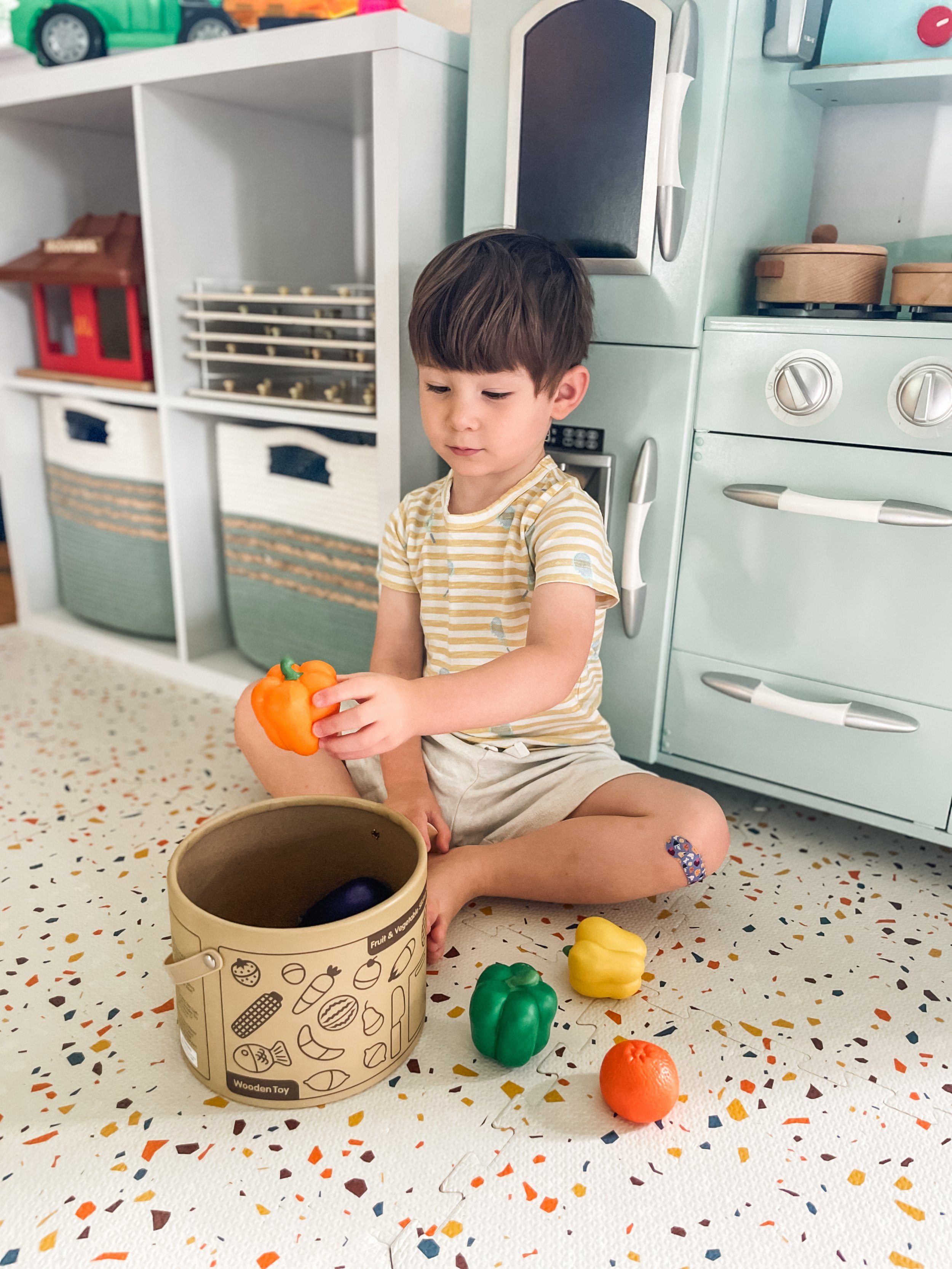
As parents, we want to raise good humans — people who are capable, generous, helpful, successful, and able to show up for themselves and the people around them. Teaching kids how to create and follow systems, respect boundaries, and care for their belongings gives them more than an organized bedroom. It gives them confidence, independence, and the ability to focus their energy on what truly matters. It’s amazing how one pile of stuff can become a mountain of overwhelm. One forgotten permission slip can turn into a frantic morning. One habit of putting things off can eventually become a pattern that follows them into adulthood. The good news? Small habits can make a BIG difference.
That’s why we’re sharing three simple ways you can help your kids not only learn the practice of organizing but set them up for successful, stress and clutter-free futures.
1. Have a Home for Everything
One of the simplest ways to start building habits and systems that will benefit your children for years to come is to give everything in your home a resting place — a spot to live when it’s not actively being used. This means everything from shoes and sunglasses to batteries and toys .
The second part of the equation and maybe the most important part? Teach your children to put things back when they’re finished using them. Toys go back into their bins at the end of playtime. We love to say, “Your toys have to sleep just like you do, buddy.” My son loves putting his toys to sleep before bed. It's quite darling. Dirty clothes go into the hamper after bath time. Shoes go back on the shoe rack instead of becoming a tripping hazard in the hallway. It’s our responsibility as parents to teach our children to put things away, not just put things down.
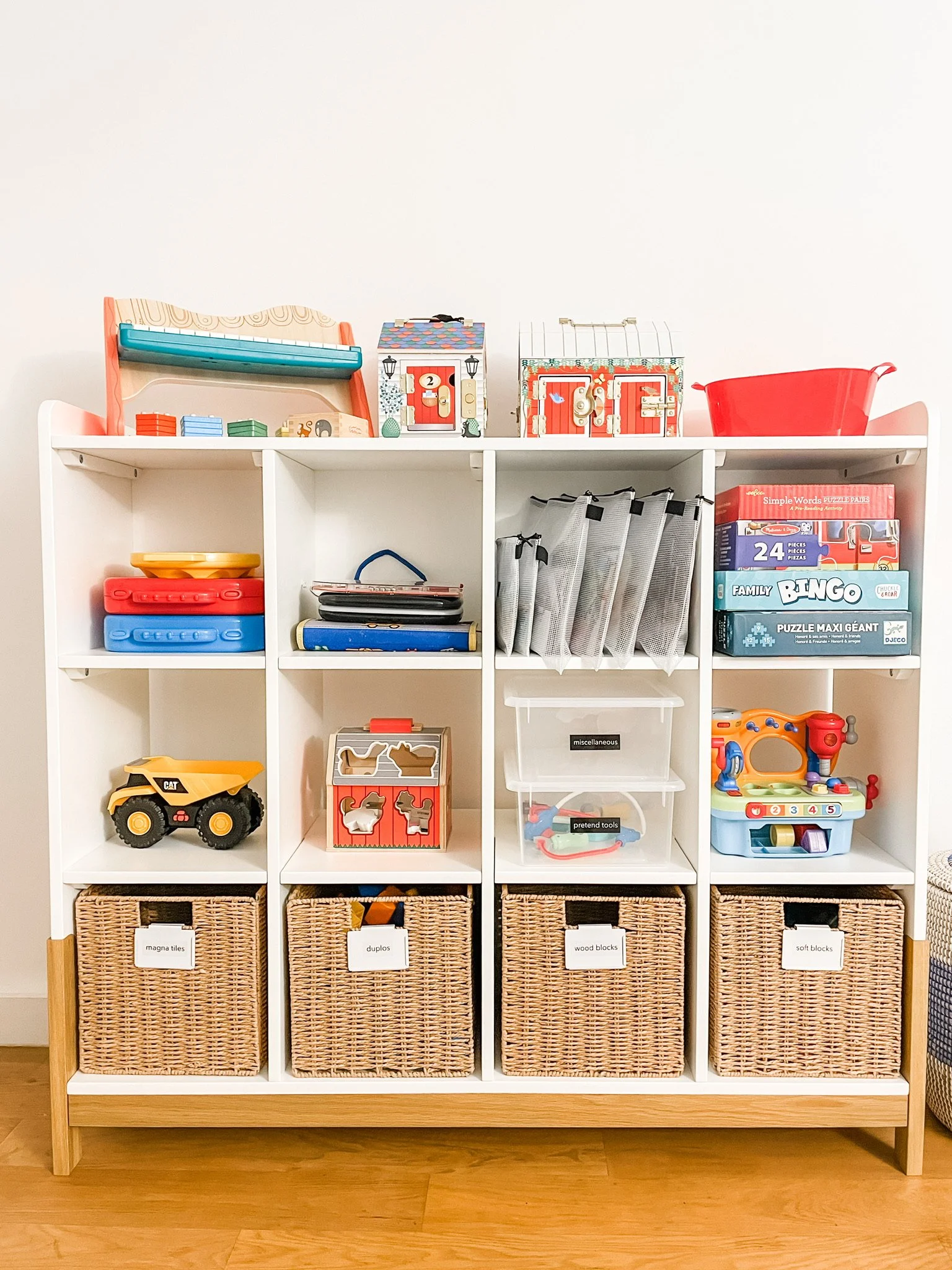
Start simple by using bins or baskets with labels (use pictures if your little one can’t read yet) placed at an accessible height to help them learn where things belong. Over time, this reinforces the idea that everything that comes through your front door has a home — and, just as importantly, that it should be returned there when they’re done. This creates a calm, peaceful environment for everyone to enjoy at the end of every night. It teaches children that they are part of the family unit that helps keep the home running smoothly; that their contribution matters.
Want more inspiration to organize your kid’s spaces? Check out our Playroom + Kids’ Rooms Galleries or check out our blog - Playroom Organization: 5 Things Every Parent Should Know!
2. Create relatable and accessible 2-minute routines
Okay, these routines may not actually take two minutes. Some might take 30 seconds, while others might take five minutes. The point is to keep them short, achievable, and productive enough to make a difference without feeling like another chore.
These mini routines teach children simple habits, boundaries, and responsibilities that will eventually become second nature. The goal isn’t perfection — it’s repetition. A few examples:
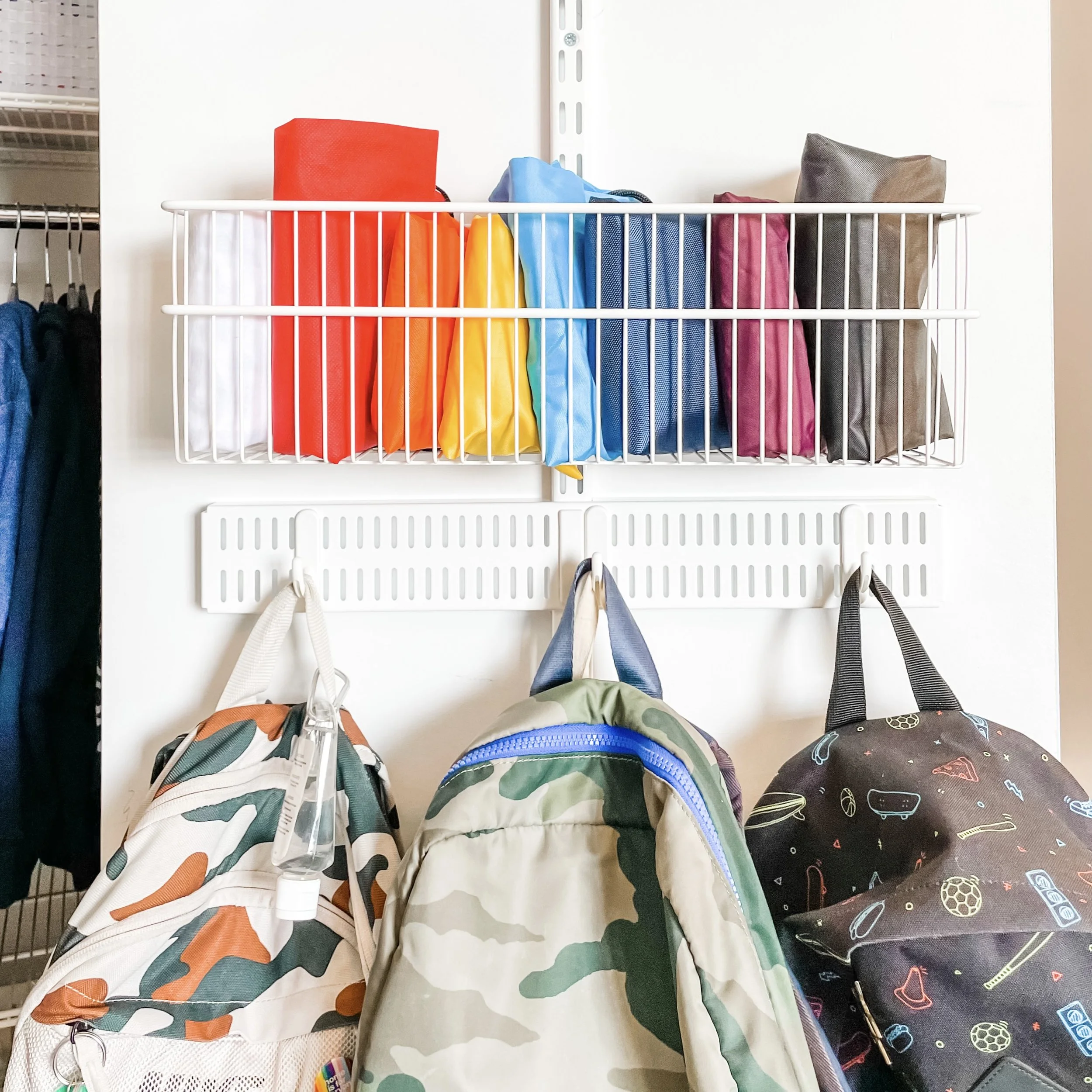
Create a “welcome home” routine. When you walk through the door and take off shoes, coats, backpacks, etc., those items go straight to their designated homes — on shoe racks, hooks, hangers, or in bins — rather than becoming a pile on the floor. This helps them feel like they accomplished something immediately upon walking in the door.
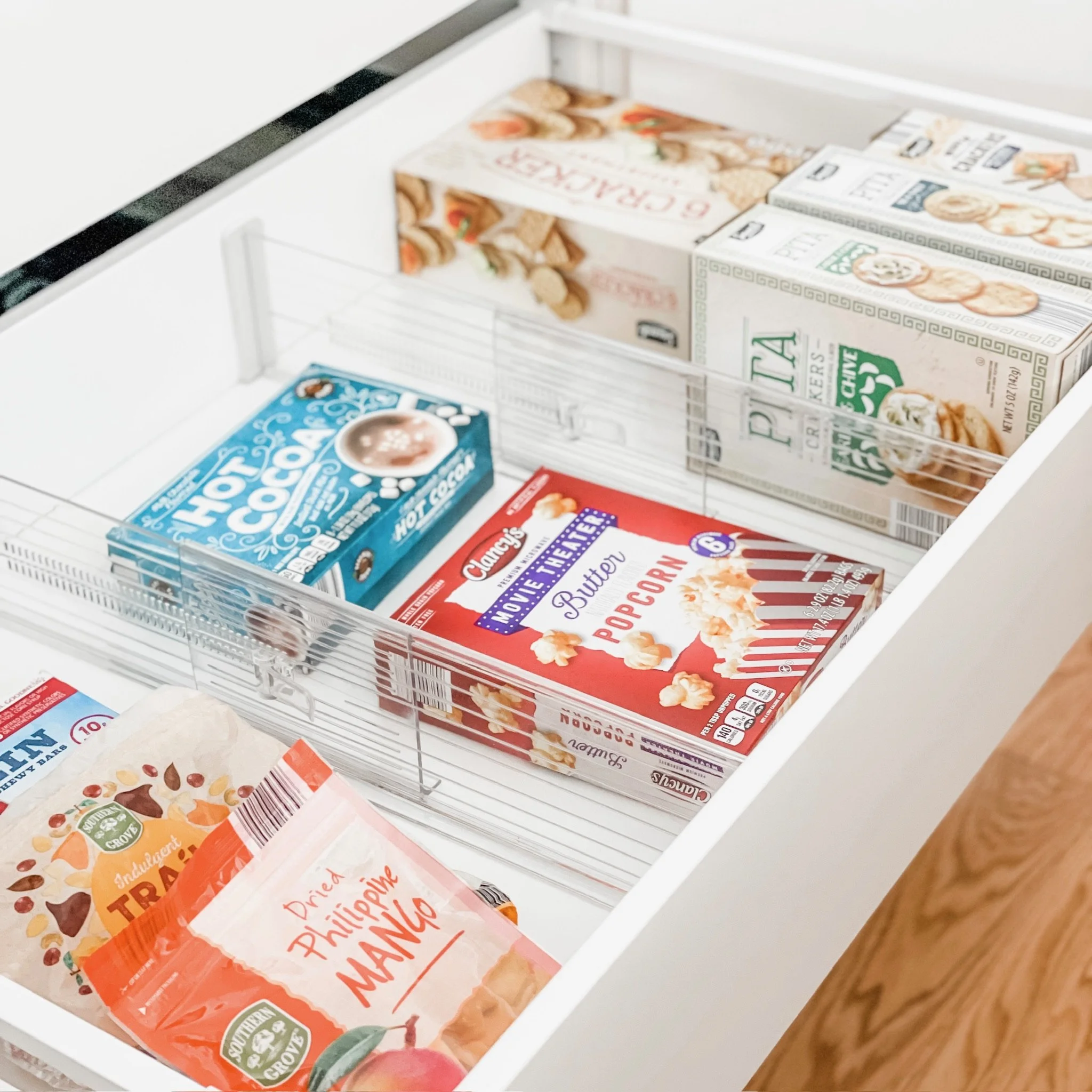
Create a kid-friendly snack station. Choose a child-accessible spot in your kitchen and stock it with healthy, grab-and-go snacks they can access independently. After they finish their welcome home routine, they get to pick a snack. As they get older, this can also become a place where they help pack their own lunches. It’s a simple way to encourage independence while introducing nutrition.
Teach them to clean up after snack time. Finished the granola bar? The wrapper goes in the trash — not on the counter for Mom to find later. Done with your plate and cup? Dishes go straight into the dishwasher (not the sink!). These small expectations teach children that they are capable of taking care of themselves and their spaces.
Create your own! These small routines will begin to create mental patterns that eventually become automatic. With enough repetition, they require less thought, fewer reminders, and eventually no reminders at all. These are the habits that stick — not just for this season of childhood, but well into adulthood.
3. Teach them to make their bed each morning
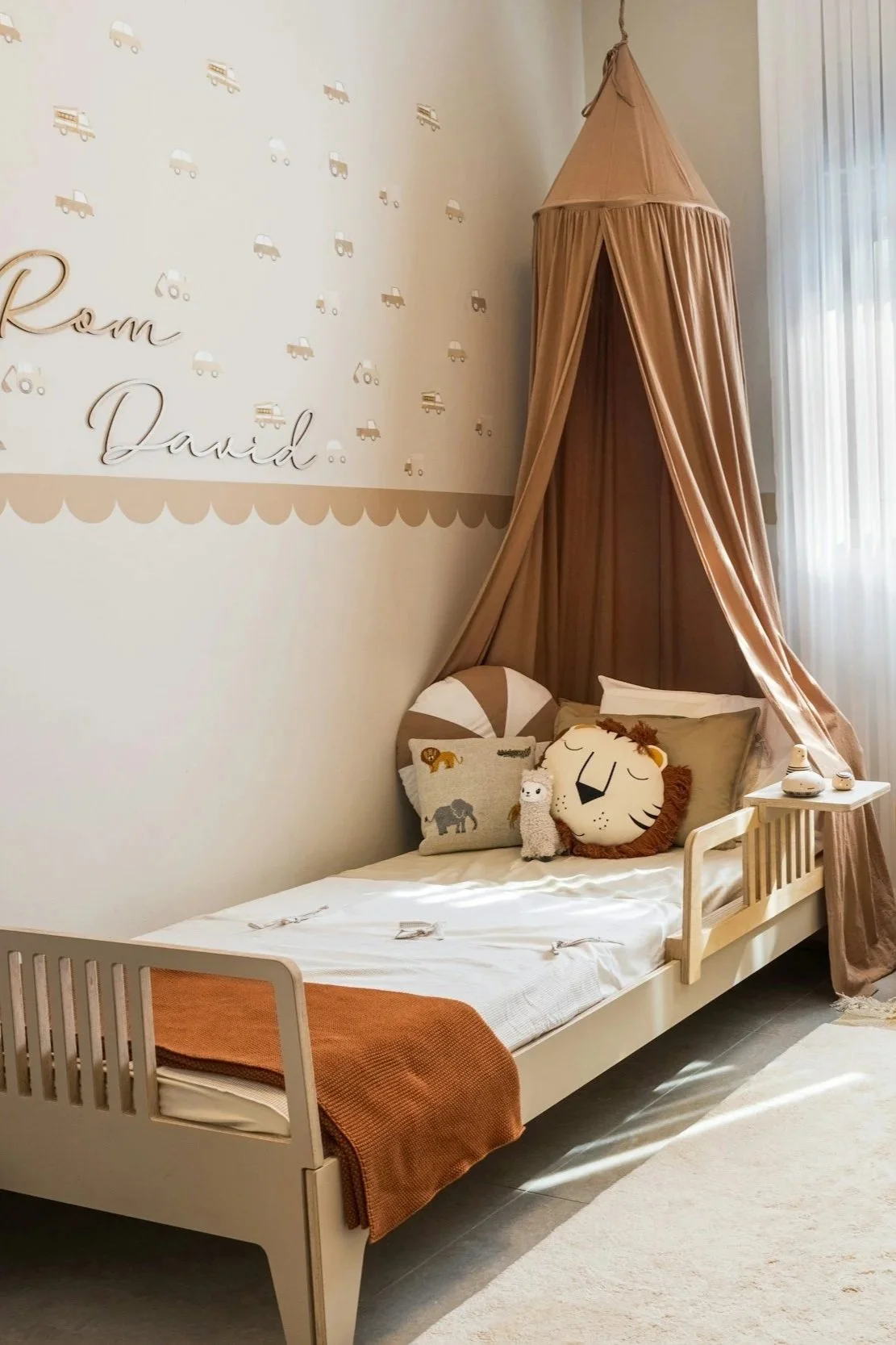
Even if your child isn’t quite ready to formally make the bed and tuck in the sheets each morning, teaching them to simply pull up the covers and straighten their pillows can help establish the importance of starting the day with a tidy, put-together space.
There’s something powerful about completing one small task first thing in the morning. In his famous 2014 commencement speech at the University of Texas, Admiral William H. McRaven shared that making his bed was the first task of every day during Navy SEAL training. His reasoning? Completing that one small task created a sense of accomplishment and encouraged him to tackle the next one, and the next. He argued that small, seemingly insignificant actions can build the discipline and momentum needed to accomplish bigger things.
The same lesson applies to children. Making a bed may seem insignificant, but it gives them an early opportunity to practice taking responsibility for their space and following through on a simple commitment — even when the rest of the day feels chaotic, challenging, or let’s be honest, sometimes boring.
And at the end of the day, when they climb into bed, they’ll have one small success to look back on: they took care of their space.
It may seem like a tiny habit, but those are exactly the kinds of habits that add up over time. Today, it’s pulling up the covers. Tomorrow, it’s crushing the welcome home routine. You’re not just teaching them how to make a bed — you’re teaching them that small, consistent actions can make life feel a little more organized.
These tips aren’t just about organizing your home — it’s about understanding why these small systems matter, and giving yourself and your kids a little grace along the way.
Because kids are messy. Parents are messy. Life is messy. And that’s okay.
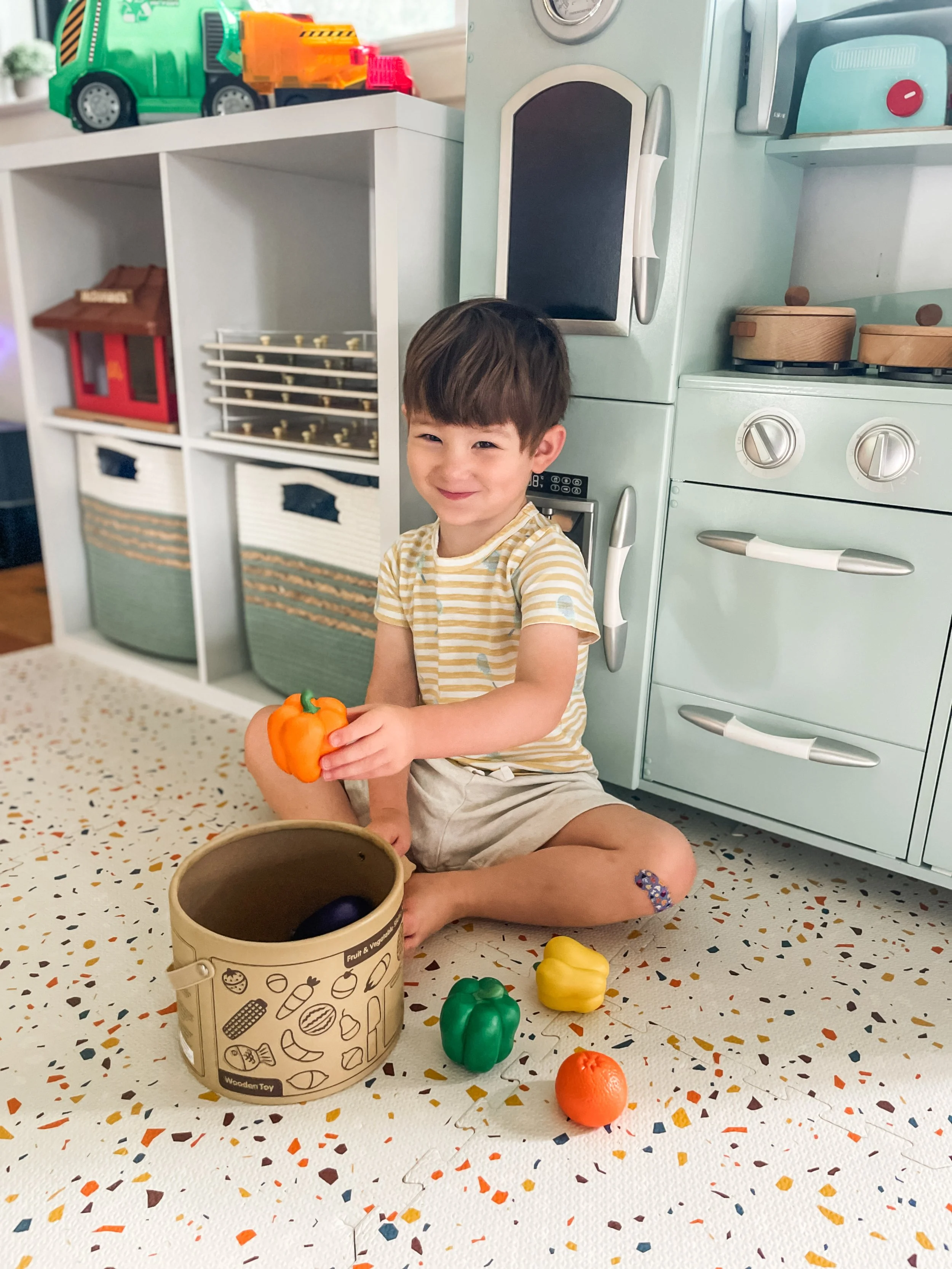
The important part is recognizing when the mess is weighing you (or your child!) down and knowing that it can be changed. You don’t have to fix everything at once. Take a deep breath. Pick one small thing. Make one different choice.
That’s how we approach organizing, too — we don’t tackle every room or space at once. We start with one drawer, one shelf. We build a system and let it create new pathways and habits for you.
A seed doesn’t become a tree overnight. It starts small, takes root, and grows over time. The same is true for our kids — and for us. Because one day, they won’t need us to remind them where everything belongs. They’ll have learned how to create a little order in their own lives — and that’s a gift they’ll carry with them wherever life takes them.
Want more tips and tricks for a space in your home? Let us know what you want to see on the next blog!