
Valentine’s Day is just around the corner and love is in the air. For many, this is the moment when moving in with a partner shifts from a dreamy idea to an actual possibility.
It’s a big, exciting step—and one that comes with some very real questions, like whose couch makes the cut and how many coffee cups is too many coffee cups. Beyond the boxes and logistics, merging households means blending routines, habits, and expectations under one roof. And while organizing the physical space is incredibly important, being mentally organized and aligned with your partner is just as essential. Clear communication and shared expectations can prevent small frustrations from turning into big stressors—and make day-to-day life feel far more seamless.
From the conversations worth having before the move, to smart ways to organize shared spaces, to systems that help you stay on the same page and live together peacefully (and happily!), this month on the blog we’re diving into how to create a home that feels balanced, functional, and designed for both of you—so you can enjoy your happily ever after… without breaking up over a never-ending pile of dishes.
talk about the nitty gritty
Before you do any unpacking or furniture buying, have a frank conversation with your partner. Discuss your lifestyles, habits, and physical stuff. What kind of space are you moving into? Are you gaining closet space or losing it? Is one of you a morning person, while the other is a night owl? Does one of you clean dishes throughout the day while the other waits until right before bed? We’re all human and things will come up. But, discussing as many possible issues beforehand and recognizing the differences in your habits can help avoid potential conflict.
Divvy Up Household Tasks and Chores
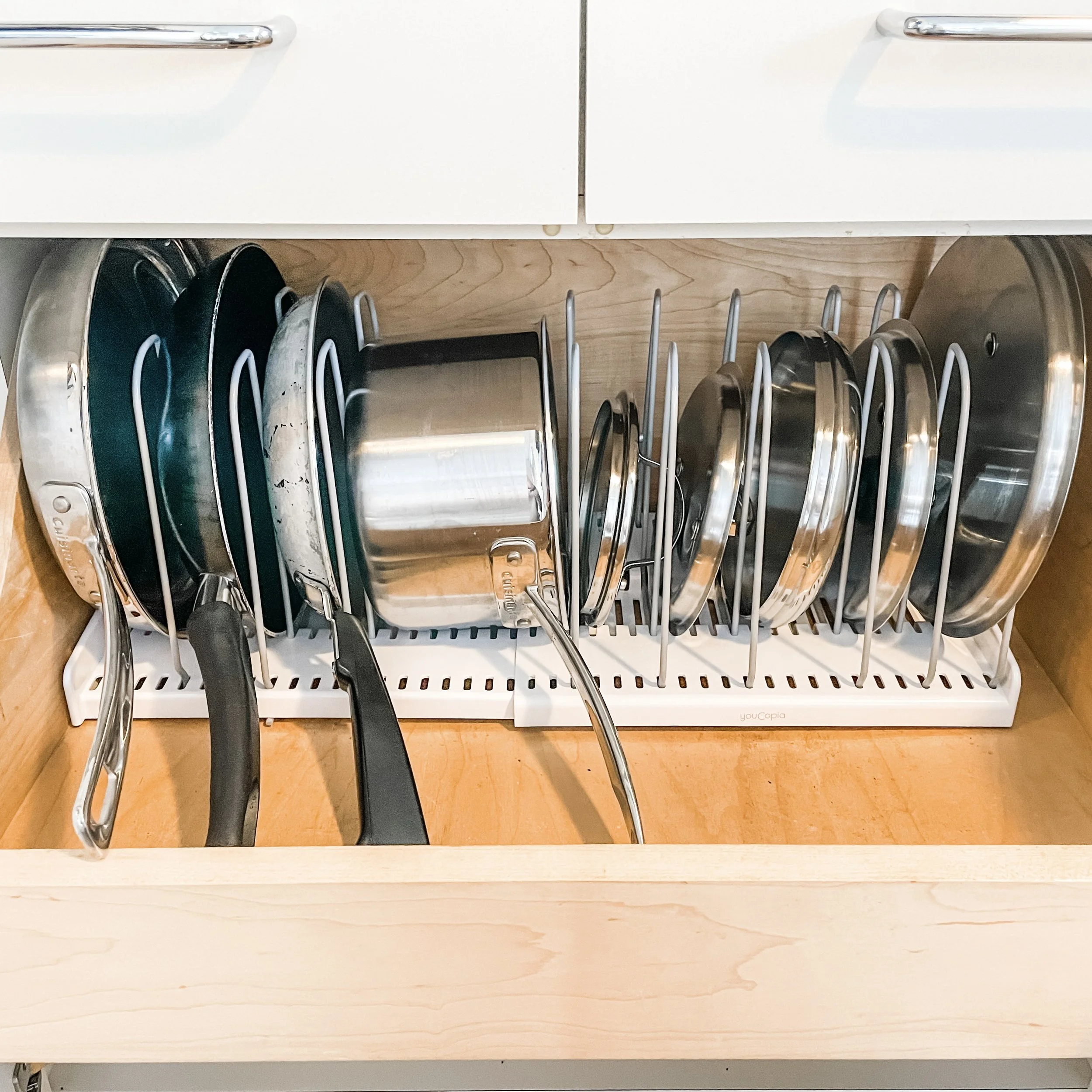
In order to create a harmonious living environment, it’s best to learn preferences for household tasks and chores right off the bat. Does someone prefer cooking meals more than the other? If you do most of the cooking, set up your kitchen spaces how YOU would want it. If your partner is the chef in the family, let them dictate how they’d like cooking utensils and appliances organized.
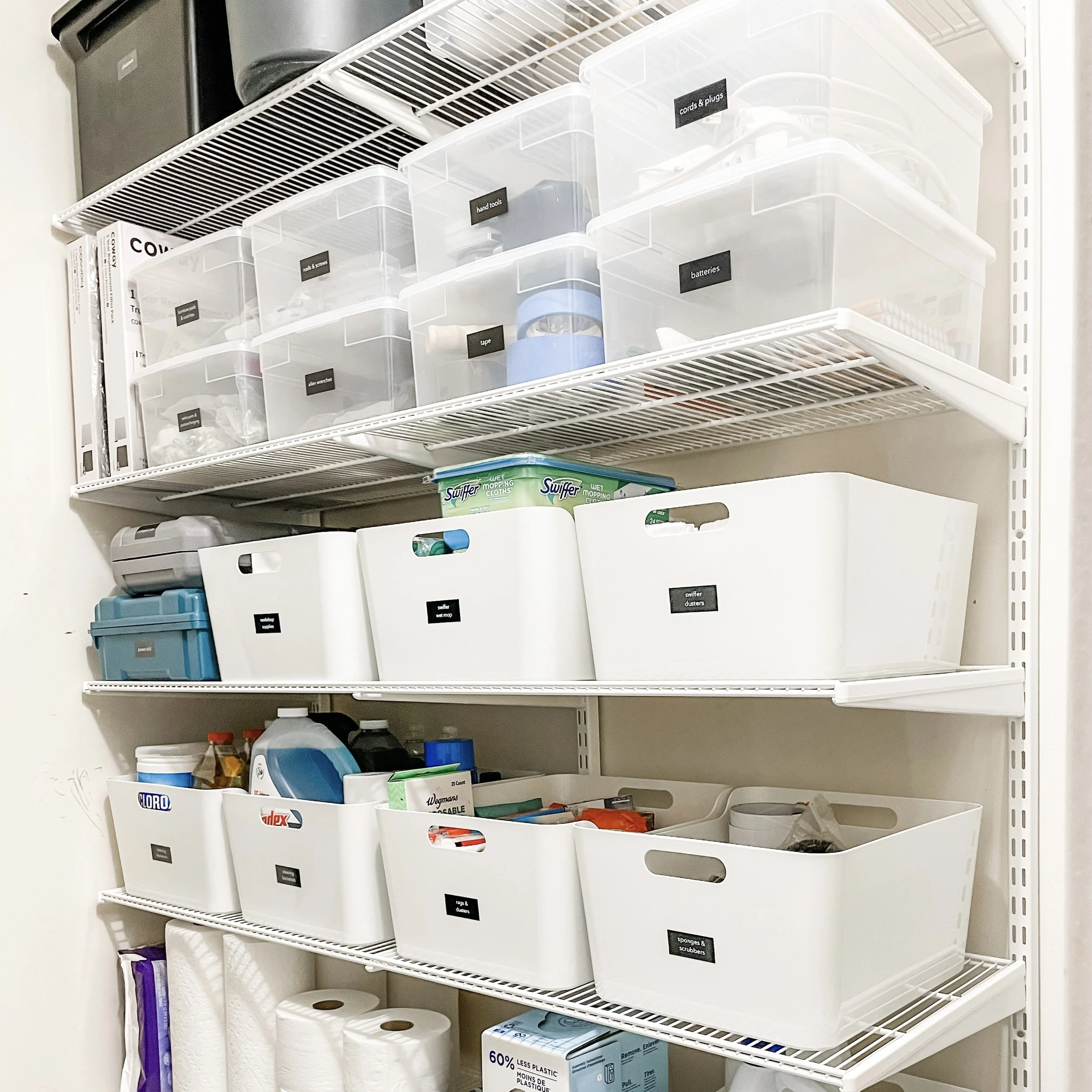
The same goes for household chores - if someone prefers doing laundry to doing the dishes, play to your strengths! Keeping a tidy and happy home is a team effort, but if you can split up the work in a way that makes it as enjoyable as possible, it’s more likely to remain a tidy and happy home. Figure out what works for you as a pair and be open to making adjustments if you learn that another way might be better.
Kitchens: What do we actually need?
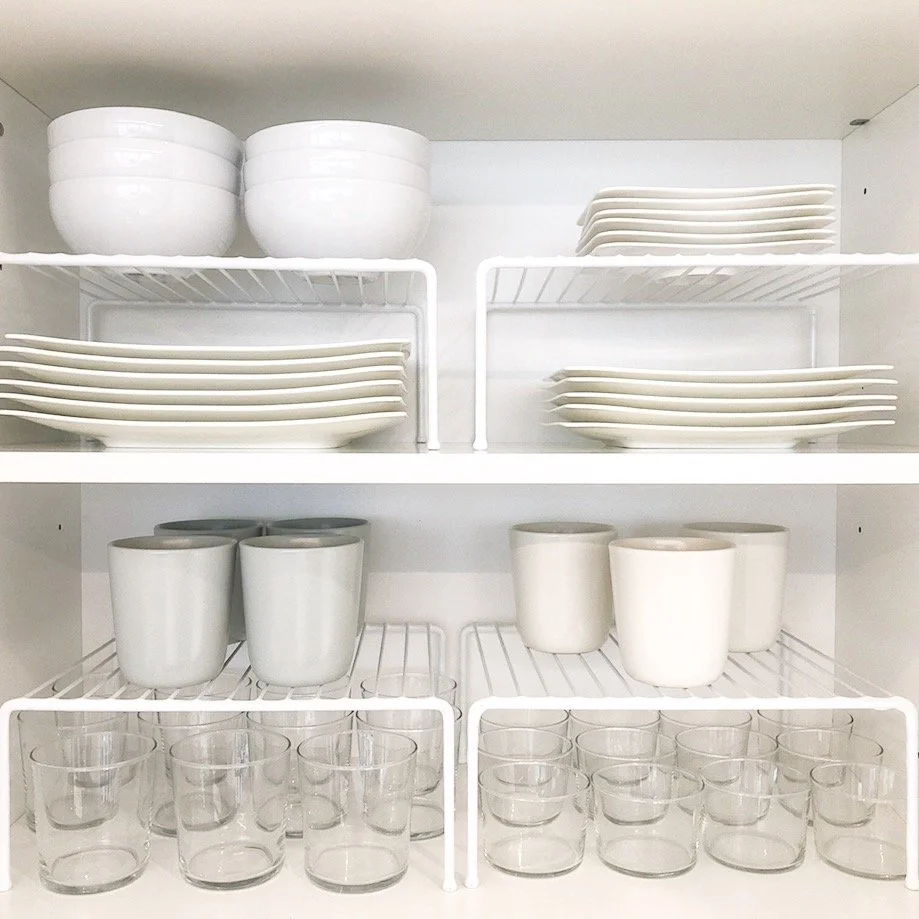
A fantastic start here is to discuss who has what and edit through your kitchen items to find any duplicates (and to recognize what items you may not be using). Kitchens are a very practical area of your home, and in NYC, they often lack storage space. Do yourselves a favor and pare down your eight spatulas to two or three. If your aspirational brunches didn’t pan out in 2025, you can probably donate that heart-shaped waffle maker. Its the perfect opportunity to donate lesser loved items and hang onto the best of the best of what you actually use.
How to Share Closet Space
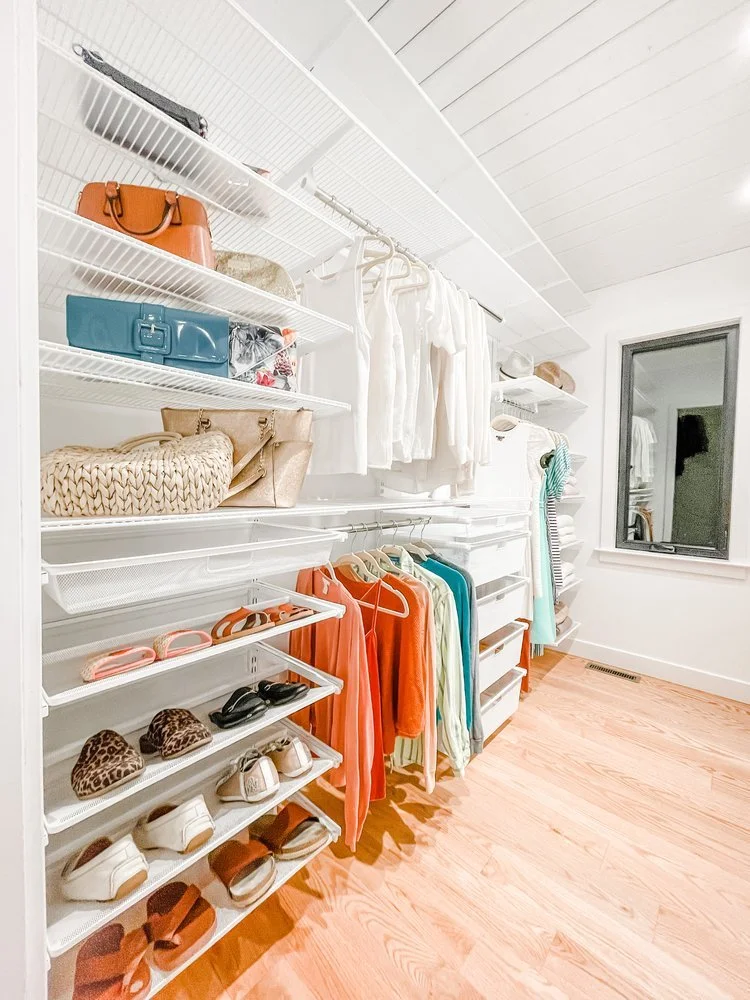
It’s very romantic to think that once you move in together, you’ll want to share everything. The reality is that having your own closet space truly is the key to success in the bedroom…yes, I said that. If you have two closets, congratulations, you’ve achieved peak adulthood. If you only have one closet (classic NYC), designate zones and keep your stuff separate. This might mean one of you will have to fold more into a dresser while the other has more hanging real estate. No matter how you divide things up, having your own designated zones is essential.
It ensures you’ll always know where your belongings live, eliminates the stress of navigating someone else’s organizing style (or lack thereof) and helps streamline busy morning routines, which can be particularly treacherous pre-coffee.
Bathroom Routines
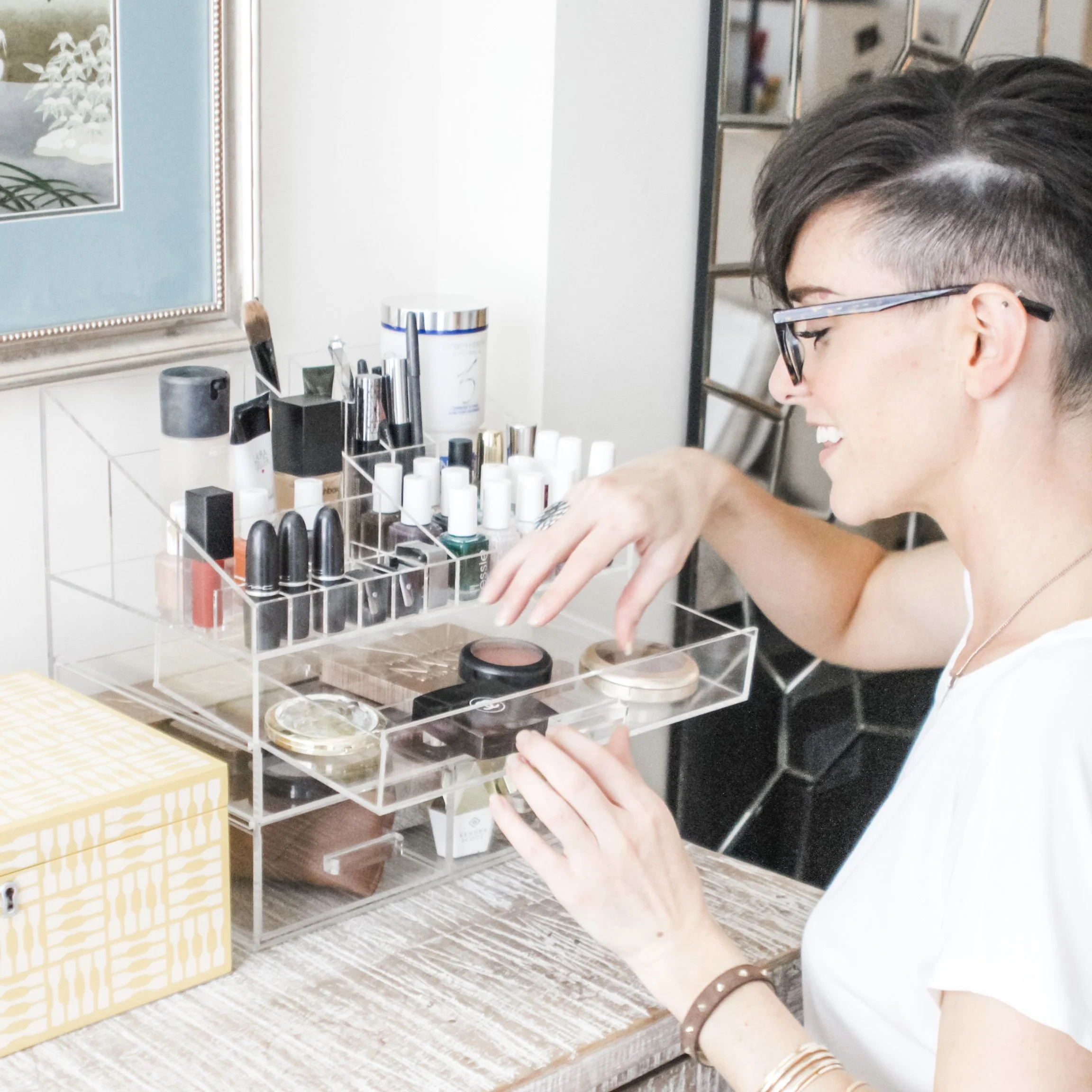
As with your closet space, keeping your items in different zones than your partner’s will help keep the peace when it comes to finding what you need and maintaining your own area (and sanity). Another good thing to figure out in advance is your schedule for bathroom time. Who will shower first each day? Does someone need more time in front of the sink and mirror to get ready for the day? Plan this out so you aren’t surprised when you both head for the shower at the same time on a busy morning.
Build Flexibility into Shared Spaces
The only guarantee when two people move in together is that things will change. Maybe one of you suddenly needs more closet space, maybe a hobby takes over the dining table, or maybe you realize you own a truly alarming number of water bottles combined. Instead of locking yourselves into overly specific systems, opt for flexible solutions like adjustable shelving, open bins, and broader categories for your labels that can shift as your routines do.
It’s also worth considering the practical design elements of a space—how it’s used day to day, where items naturally land (like your keys), and how storage can support those habits (everyone needs a bowl for keys by the door!). The goal is to create systems that can bend without breaking, so your home evolves with you rather than requiring a full reorganization every time co-habitation throws you a curveball.

Be Patient, Willing to Communicate, and Open to compromise
More than anything else, moving in with a partner is the biggest test of patience, communication, and compromise. Take some time to reflect on your preferences and figure out what you’re willing to compromise on and what might be a dealbreaker. Figure out what’s frustrating or triggering to you and plan how you will communicate your feelings in a clear, supportive, and healthy way. This might also mean you have to find ways to respect your partner’s choices or preferences that might not align with yours. Find opportunities to communicate so that small issues don’t fester and lead to bigger problems.
For anyone out there taking this big step - congratulations! As you begin creating a home with the person you love, we hope this blog has provided inspiration, guidance, and a few thoughtful tools to help you navigate the road ahead. Remember- no one is perfect. There will be disagreements, differences in approaches and opposing opinions. At the end of the day, the question I always come back to is: do I love my partner more than I hate that pile of dishes (or insert any of the annoyances that come up). As long as the answer is unwaveringly yes—you can work through anything- together. 😉